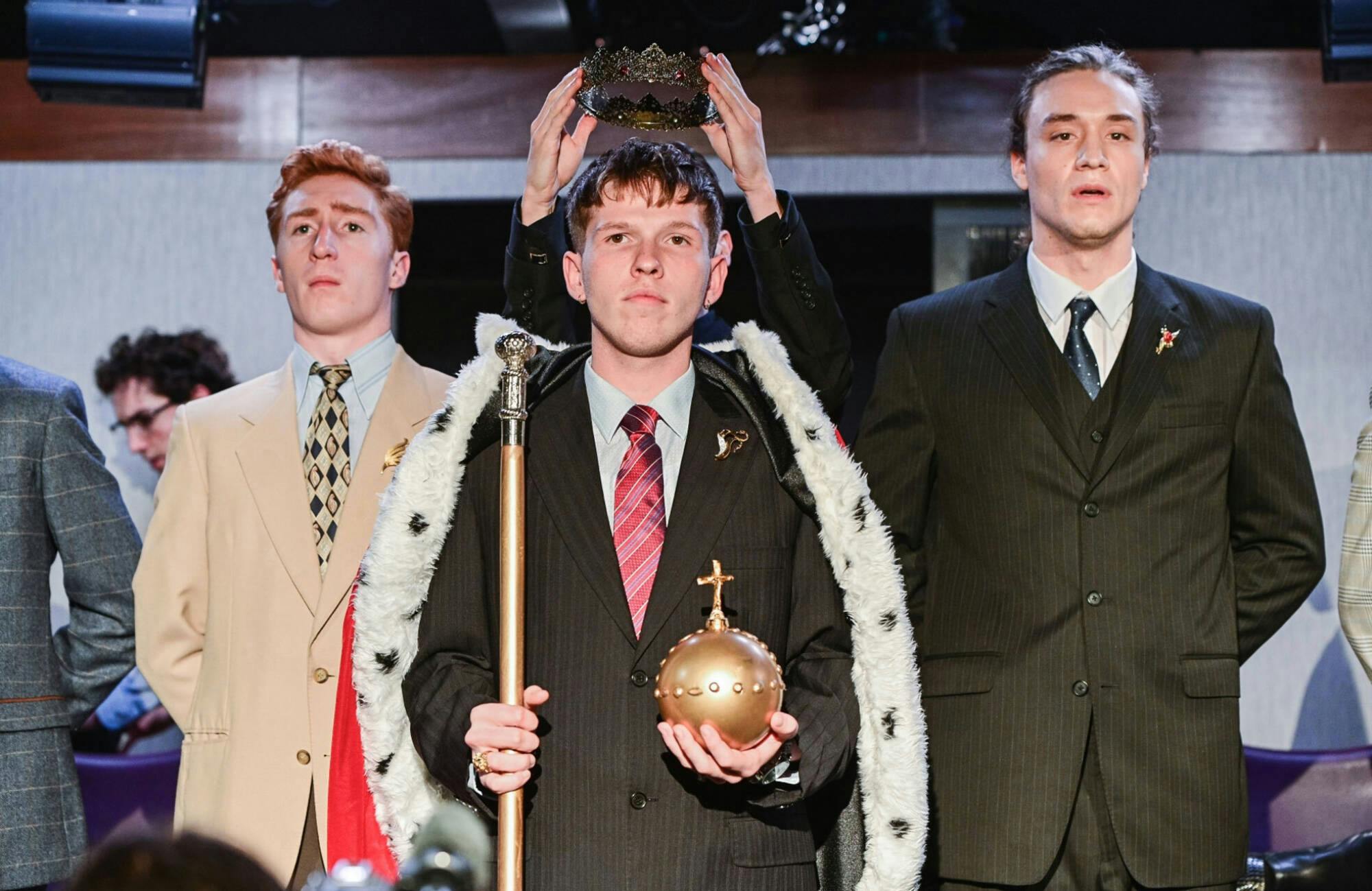
BA (Hons) ActingIn this intensive practical and performance-based training course, you'll gain the skills and experience you need to sustain a career in theatre, screen and digital media.Find out more
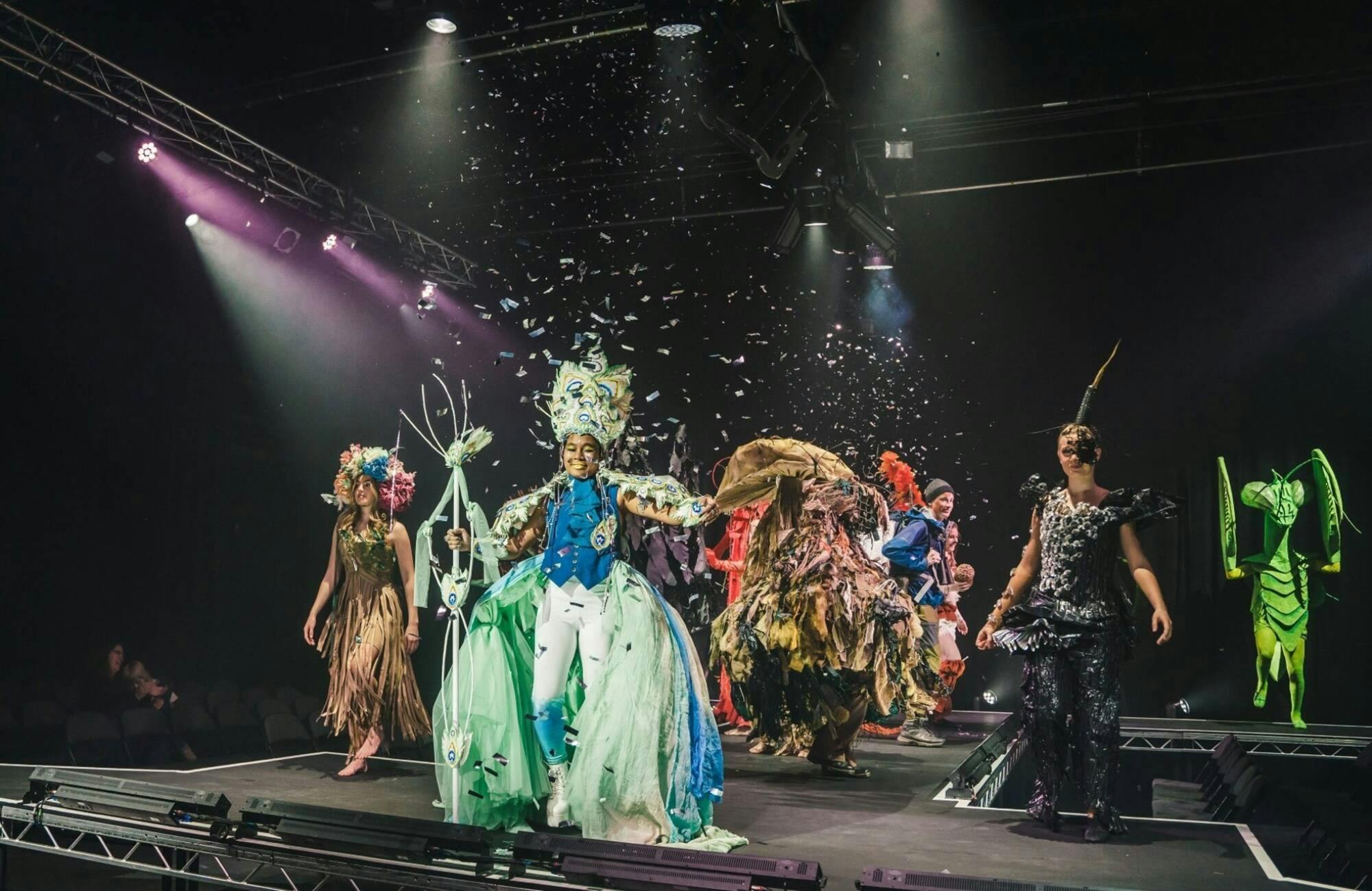
BA (Hons) Design for PerformanceExplore all the elements of set and costume design for theatre, events, TV and film in this intensive practical and performance-based course.Find out more
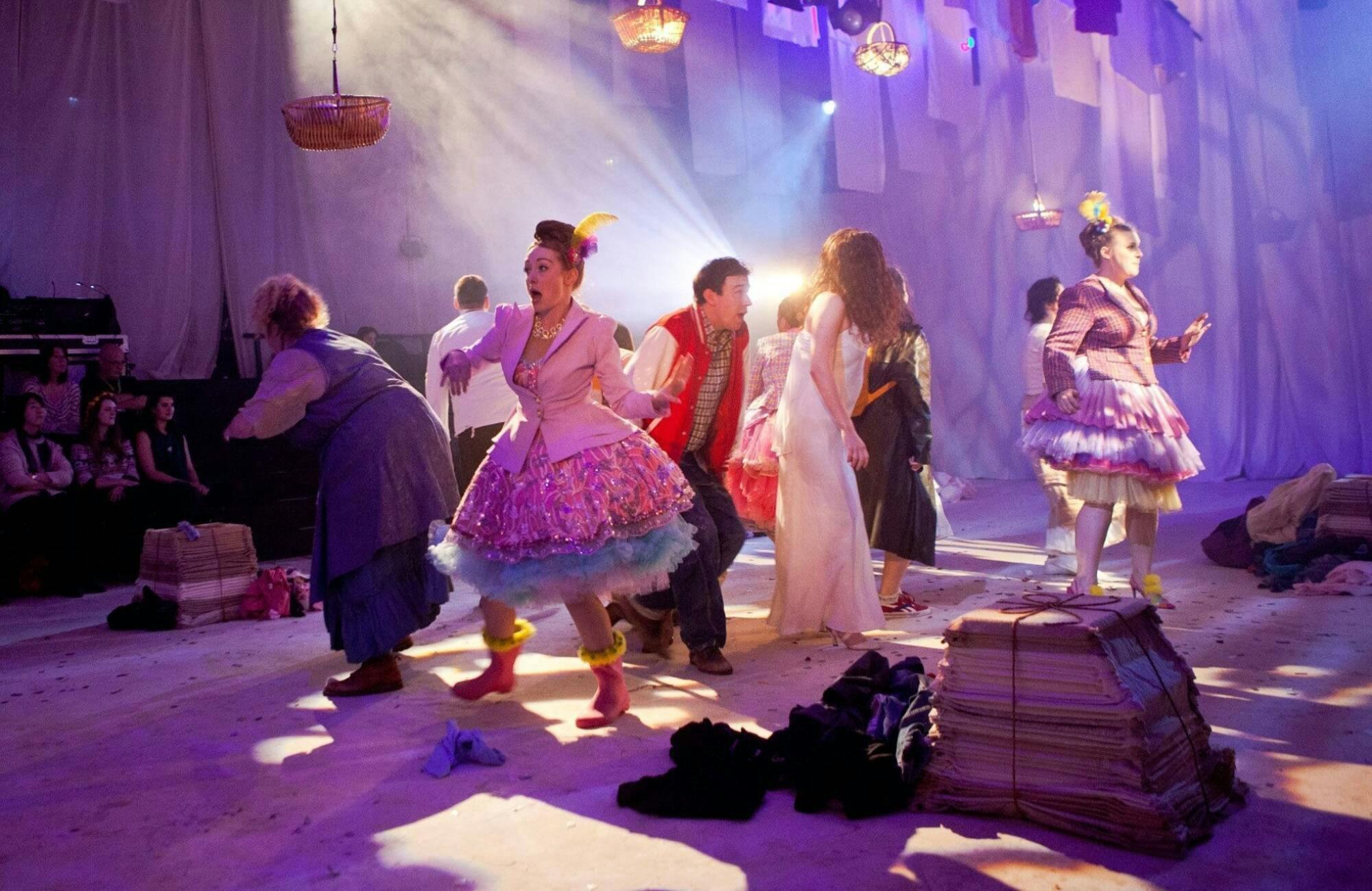
BA (Hons) Musical TheatreExplore a diverse range of singing, spoken voice, dance and acting methods in our course with numerous performance projects and two fully staged productions.Find out more
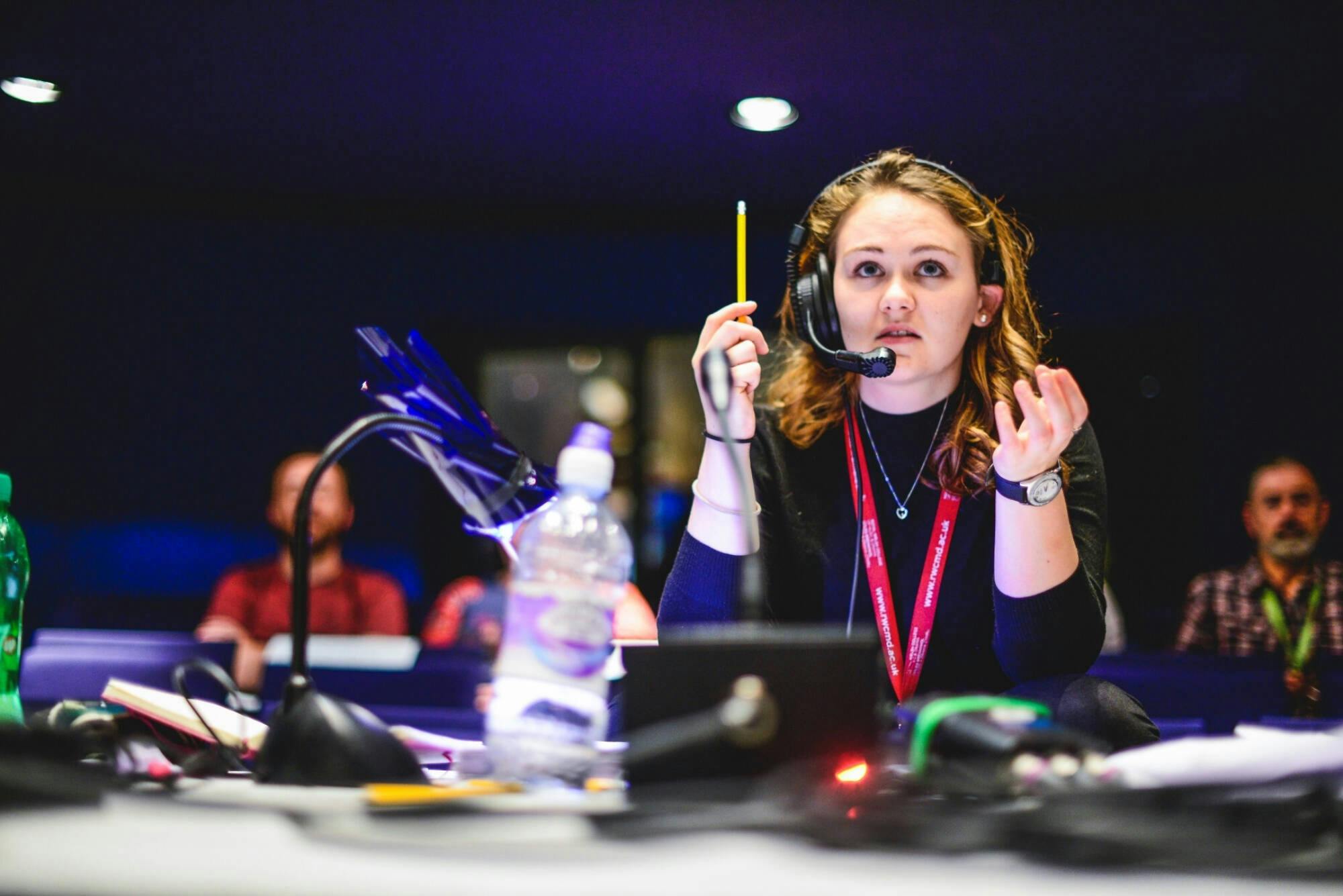
BA (Hons) Stage Management & Technical TheatreGain practical experience in 11 production roles with our specialist training that opens up a diverse range of career paths in the entertainment industry.Find out more
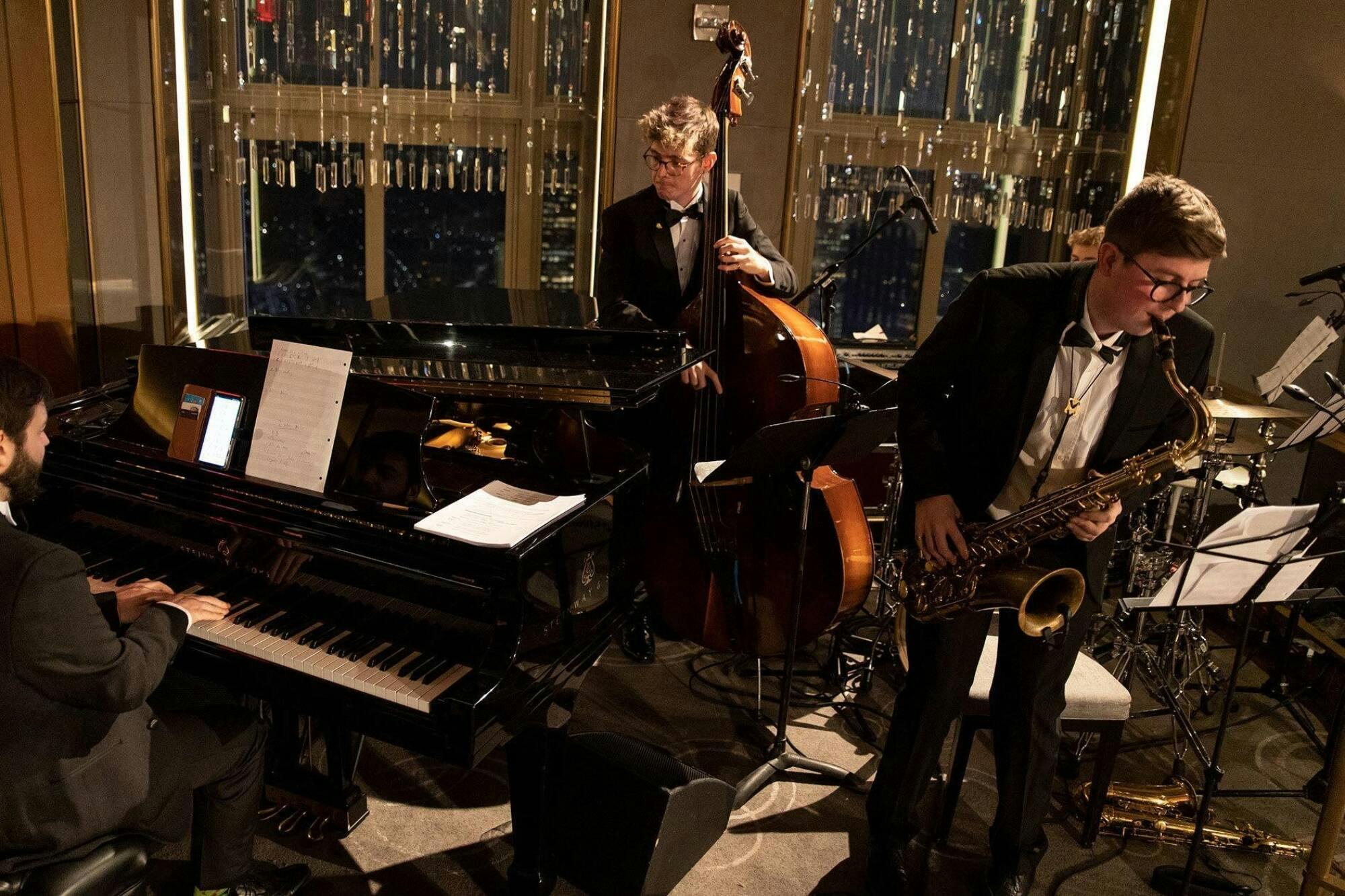
BMus (Hons) JazzPerforming, collaborating and composing are at the heart of our professional jazz training, giving you all the skills you need for a lasting career in music. Find out more
BMus (Hons) Music – CompositionLearn the skills that will help you to become a composer of a wide variety of music – from full-scale orchestral work to abstract electronic music.Find out more
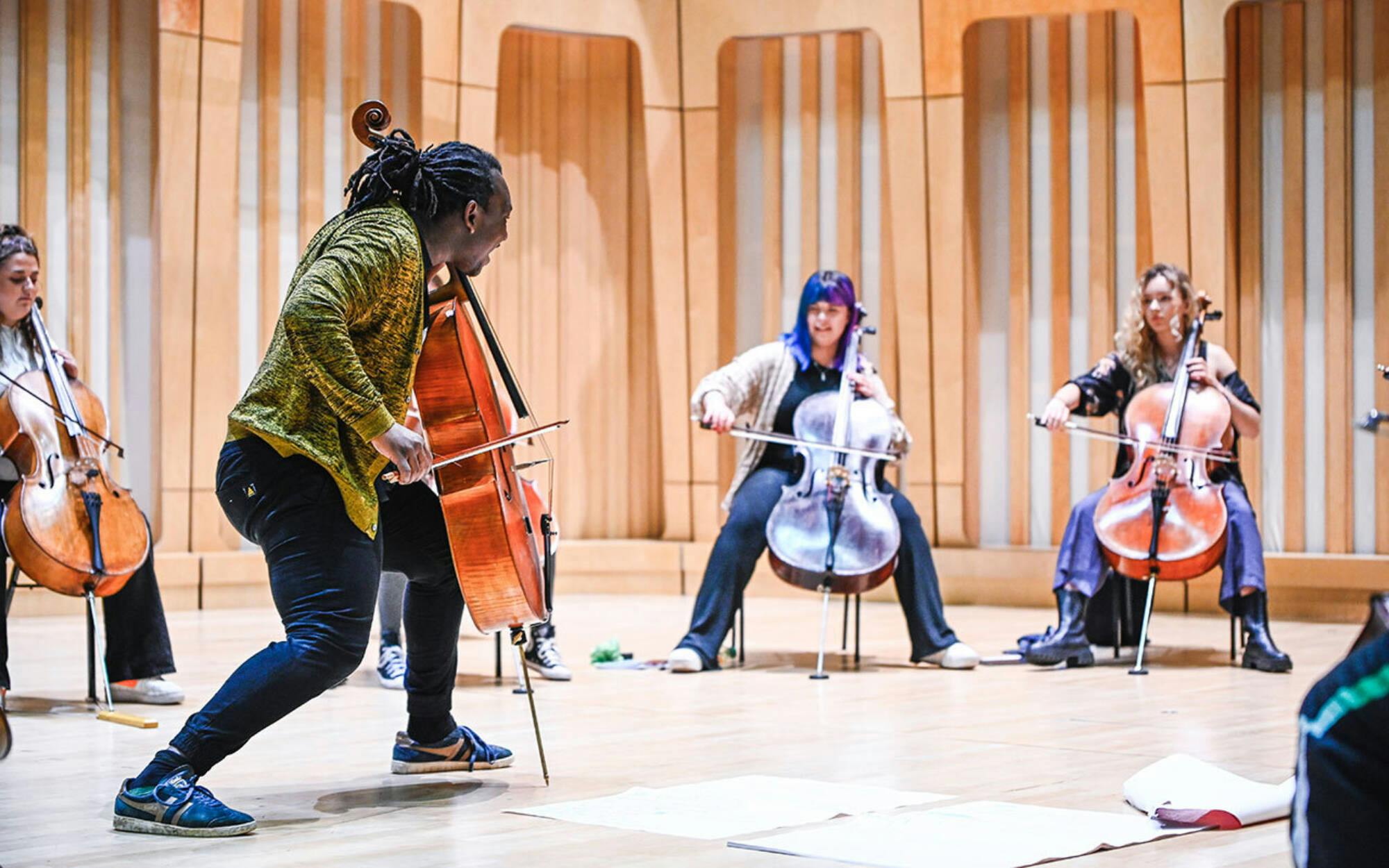
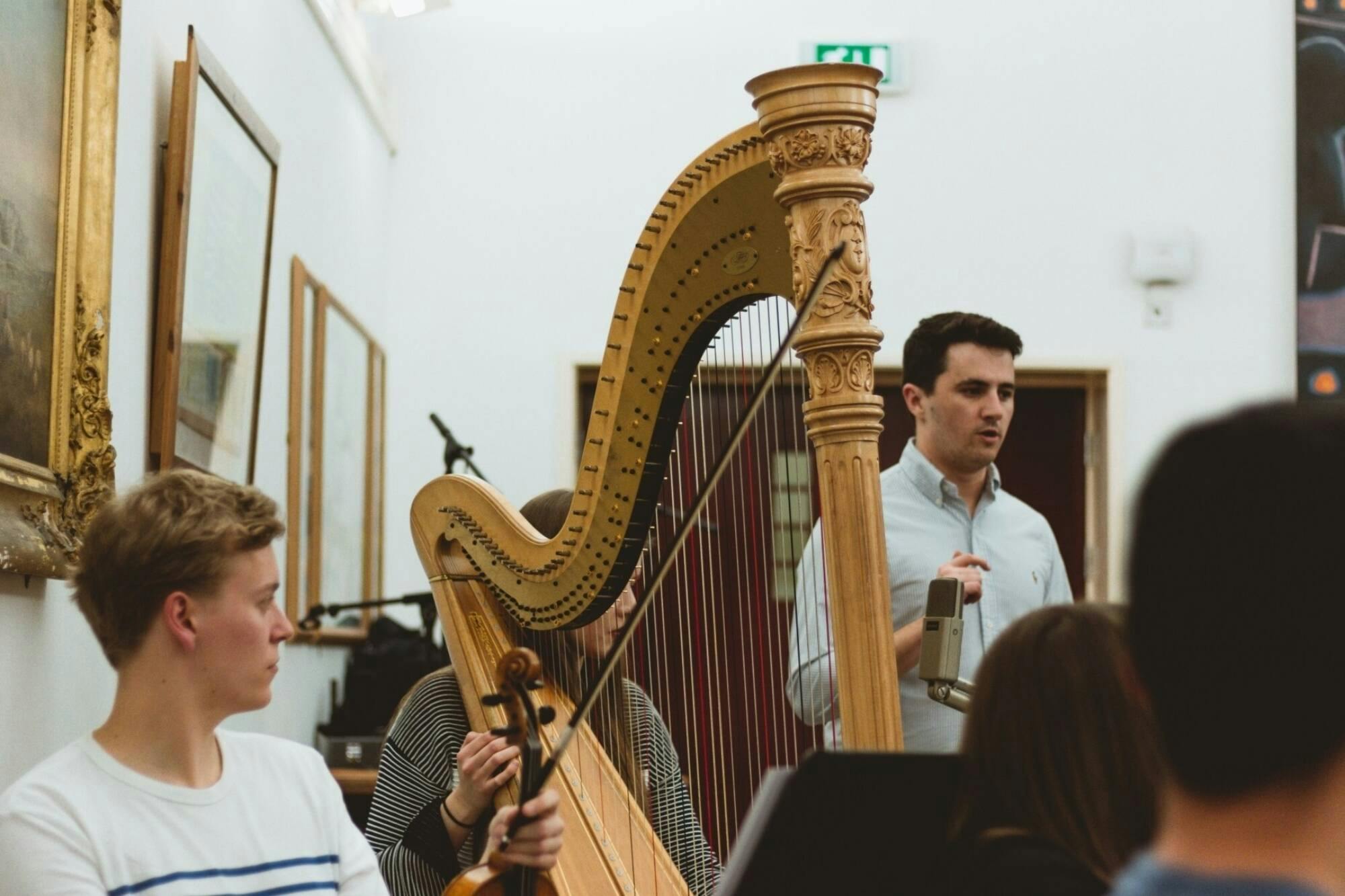
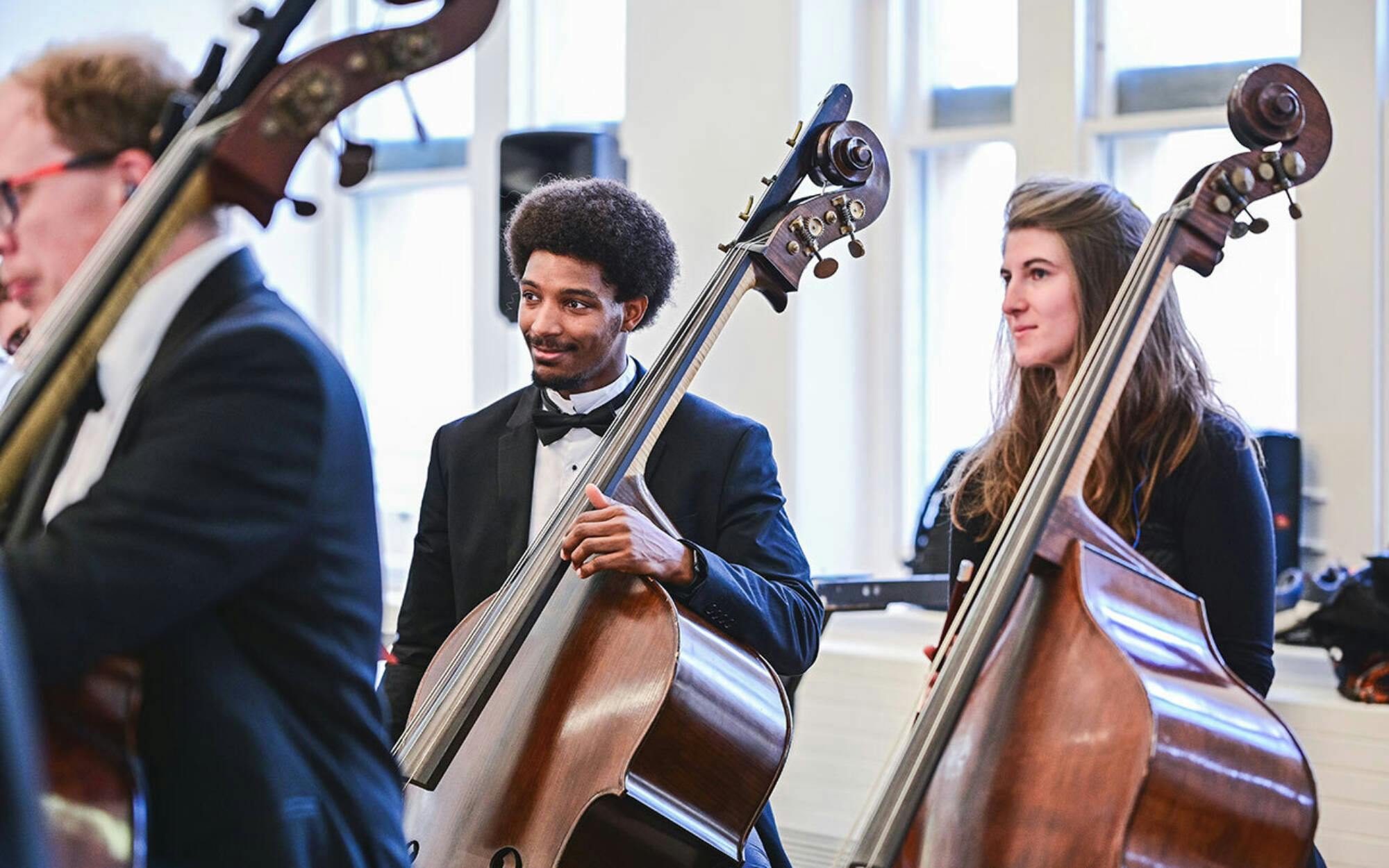
BMus (Hons) Music – Instrumental and VocalTrain alongside the world’s best musicians in an inspiring, collaborative environment that helps you meet the demands of a contemporary music career.Find out more
Foundation Degree in Scenic ArtsIn this work placement centred course, you’ll learn how to create stage sets, backdrops and props for public performances, television and film.Find out more
Foundation Degree in Scenic ConstructionThrough work experience and hands-on training, you’ll learn how to plan, draught, construct and install sets to a professional standard whilst working on our numerous public productions.Find out more
Foundation Degree in Technical ProductionThrough in-house productions, industry based placements and hands-on training, you’ll learn all relevant skills relating to the work of the production technician in theatre, events, film and TV.Find out more
MA Acting for Stage, Screen and Recorded MediaLaunch your acting career with intensive expert-led tuition and practical studio and rehearsal-based training in a professional working environment.Find out more
MA Arts ManagementGain the skills and experience you need for a successful career in the creative sector, along with two work placements, in our industry-led course.Find out more
MA Costume for PerformanceExplore innovative character and costume design and construction for theatre, film and television with this hands-on training based on collaborative practice.Find out more
MA Design for PerformanceEnhance your expertise with our course that offers specialist tuition and opportunities to design performance environments, installations, characters and sets for a series of live public performances and immersive experiences.Find out more
MA Digital Media Design & ProductionGain the practical skills and experience you need to become an innovative lighting designer who can work seamlessly across theatre, television, film and live events.Find out more
MA JazzTrain alongside some of the UK's best jazz musicians in this innovative course with one-to-one tuition, ensemble coaching and numerous opportunities to perform.Find out more